

For What Comes Next.
How do we live when we know we will not see the end of what we begin?

We are strapped in the backseat of a car driven by a maniacally laughing drunk who’s smoking a crack pipe and snorting Adderall—pedal to the metal, God Bless the U.S.A. blasting at a deafening eleven—honking, flipping off every car he passes as sparks fly and the car careens along the guardrails.
Who doesn’t want to close their eyes and just brace for impact?
That’s the first Substack sentence I’ve written in nine months.
Last August, I stepped away from Substack, social media, and the news.
(Though not abandoning the Oxford comma.)
I’d reached the limit of what I could absorb and process coherently.
Underlying it all was a deeper reason: I had nothing to contribute to the “conversation.” The world didn’t need another person talking about how crazy it had become.
I thought I might take a couple of weeks, maybe three, to “recharge.”
August bled into September. Then September bled into autumn, autumn into the holidays, the holidays into the cold, numbing winter.
For a short time, I had some peace.
But the news always tracks you down—even if you don’t seek it out.
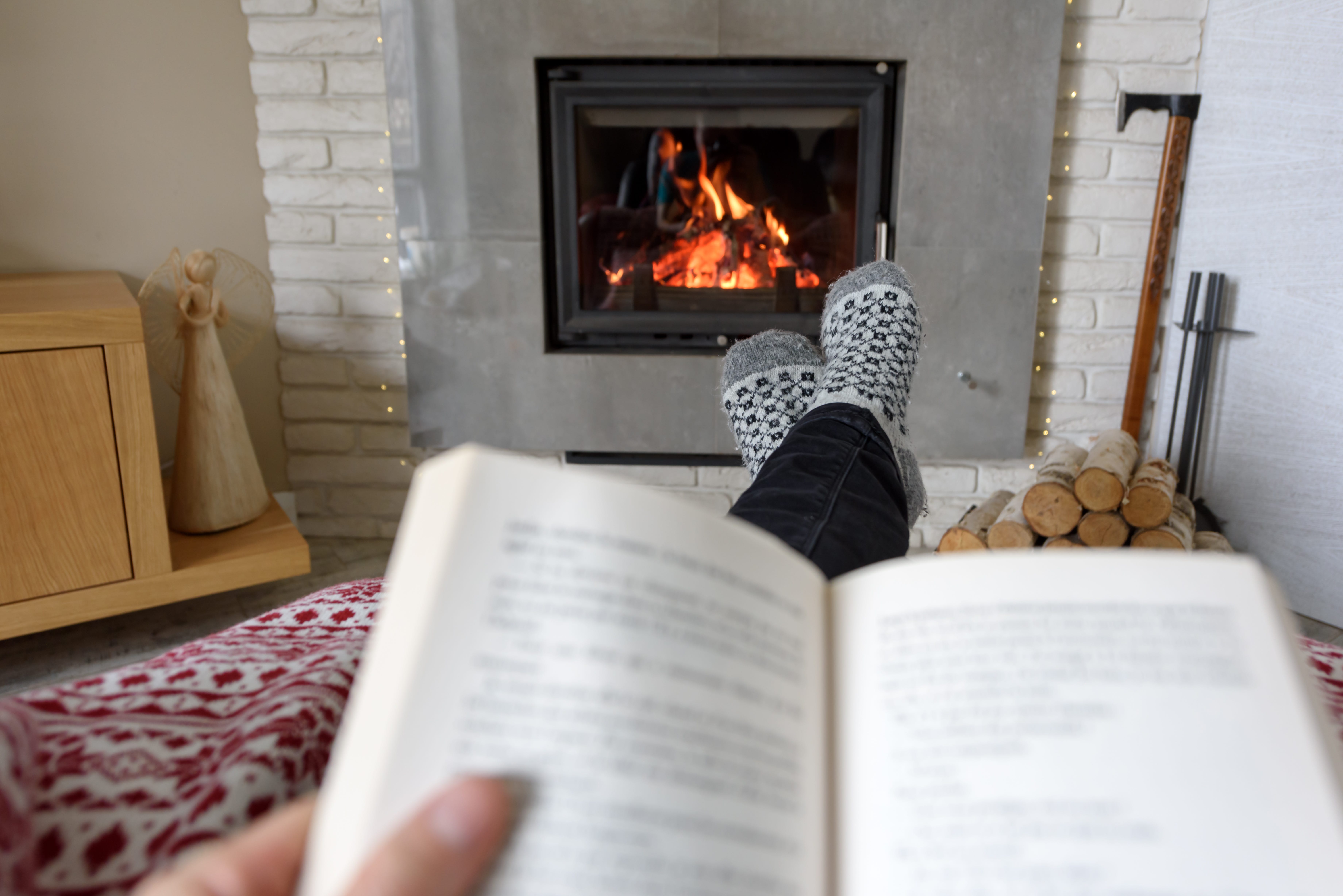
At some point, probably in the cold, dark days of that most unbearable of months—February—when the frigid temperatures and the incessant snow kept me indoors near the fire, a very scary thought began to take hold.
The thought was:
This—this chaotic, corrupt, cruel, venal, self-righteous, faux-Christian theater of grievance and power—will not end in my lifetime.
I don’t mean it will go on forever. Only that I will not live to see it end. Even if we reverse course, the damage is going to take not years, but generations to repair.
I am in reasonably good health. But I am at an age where, if I collapse in the frozen food aisle while doing the shopping, the reaction will not be “oh, the unfulfilled promise!”
It will be: “cleanup in Aisle 14.”
So, let’s talk about hope—and the coming moral reckoning.
I have written about “hope” in many places.
There is false hope—little different from wishing.
There is “hard” hope: choosing to act, knowing you might fail.
And then there is what I’ve come to think of as long hope—acting with the full knowledge that you will never see the outcome. There is something beautifully clarifying in that. It asks a different question:
How, then, do we live?
Not as members of any institution, but simply as human beings.
And that’s why I changed the title of my Substack.
When I was writing Dance Steps for the Apocalypse, there was an assumption—never stated, but always there—that if we named what was happening clearly enough, we might reverse it. Flip a switch. Return to something like 2014.
That, I’m afraid, was misguided.
There is no going back. There is only going through.
And that is what “For What Comes Next” is about: what actions do we take now, knowing many of us will never witness the outcome?
That leaves us with moral questions we cannot avoid:
What do we do with the MAGA people in our lives?
Can the damage to the Judeo-Christian “tradition” be undone?
How do we create community? (Community is painstakingly hard to maintain; it is even harder to create.)
I have been drawn to cathedrals all my life.
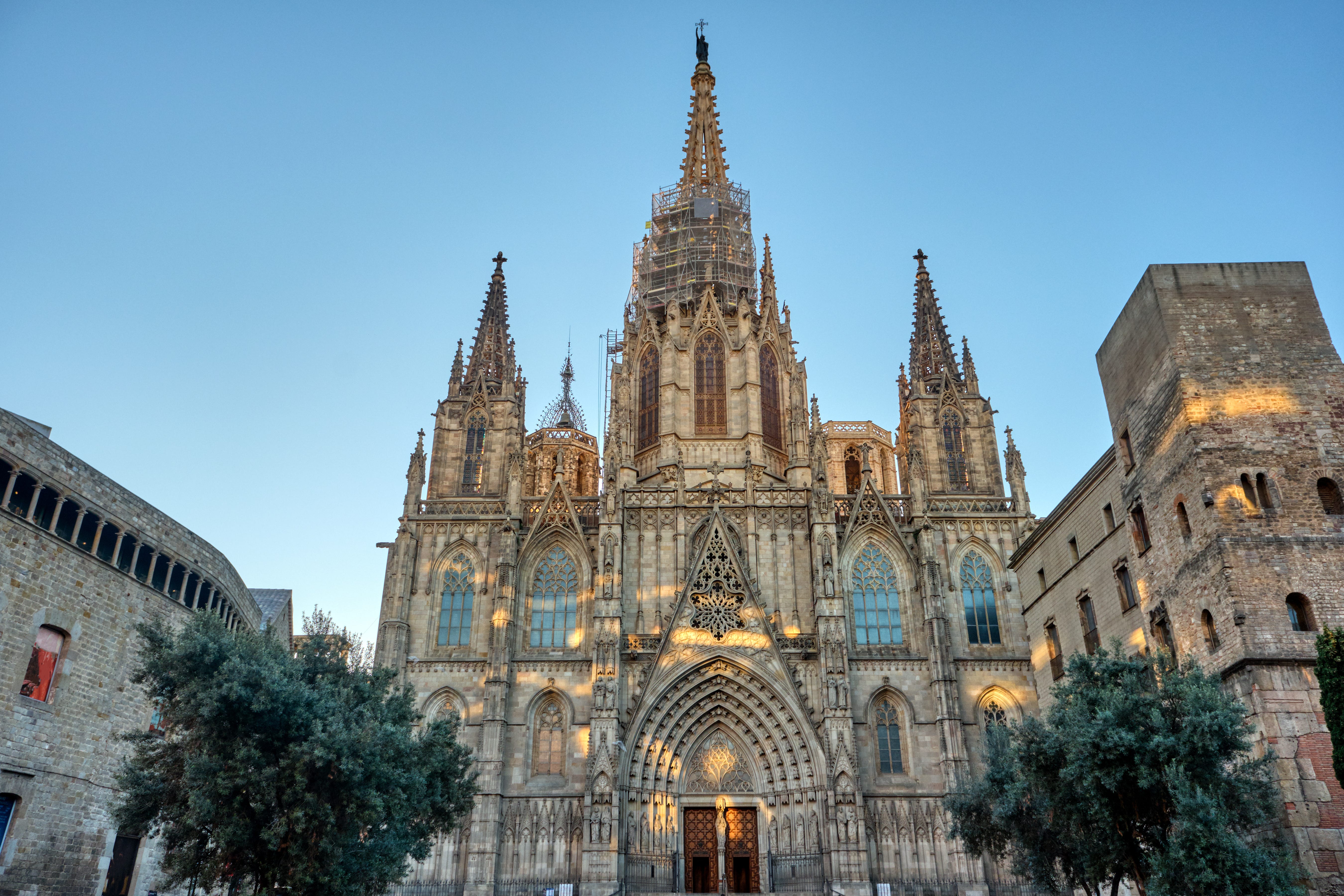
To walk into a cathedral is to experience, in Mircea Eliade’s words, “the meeting point of heaven and earth.” It should be an overpowering, awe-filled experience. If you’ve ever touched the stone of Notre Dame, Cologne Cathedral, or the Sagrada Família in Barcelona, remember this:
The builders who laid those foundations knew they would never see the completion of their work.
That is sacred work: to build something you will never live to see finished.
What you can expect from “For What Comes Next”:
A kind of hope that is not optimism:
It expects nothing.
It is not a plan. It does not assume progress.
It is not a wish. It does not imagine that things will “turn out well.”
It is about making meaning.
Albert Camus, in The Myth of Sisyphus, asked a simple question: How do we live in a world that is absurd?
His answer: we make our own meaning.
If I’ve learned anything in the past ten years, it is this:
We are on our own.
An invitation.
I invite you to join me in this. To stand, for a moment, in the same unfinished space. To ask, together: how do we live when we know we will not see the end of what we begin? I welcome your questions, your disagreements, your reflections. This is a conversation, not a verdict.
There is a phrase in Jewish tradition—tikkun olam—“repairing the world.” It is the work of those who know the world will never be fully repaired in their lifetime, and who choose to work on it anyway.
Cathedral work.
Long hope.
If you’d like, stay a moment longer…
No paywall—ever. If this piece speaks to you, share it.
So good to see you back here, my friend. You once passed me your email address — may I use it now, John?
This is such a powerful piece, John. The point about building something whose outcome you may never see is especially thought-provoking. Like you, I love visiting cathedrals, especially those with roots in the Middle Ages: I like the feeling that they were built by a continuing community of transmitted knowledge spanning generations. Although much of this knowledge is now lost, we still enjoy the benefits.
Side note: I think a large part of the magic of cathedrals is their astonishing acoustics. Going inside, you enter a world of sound where individual voices are lost in a disembodied hum that seems to hover overhead. Banal hushed conversation is transformed into something that sounds celestial. And early church music is incredible in these spaces.